10 Oct 2026
Regional Transit Networks Forge Sensor Partnerships to Embed Real-Time Betting Safeguards in Commuter Applications
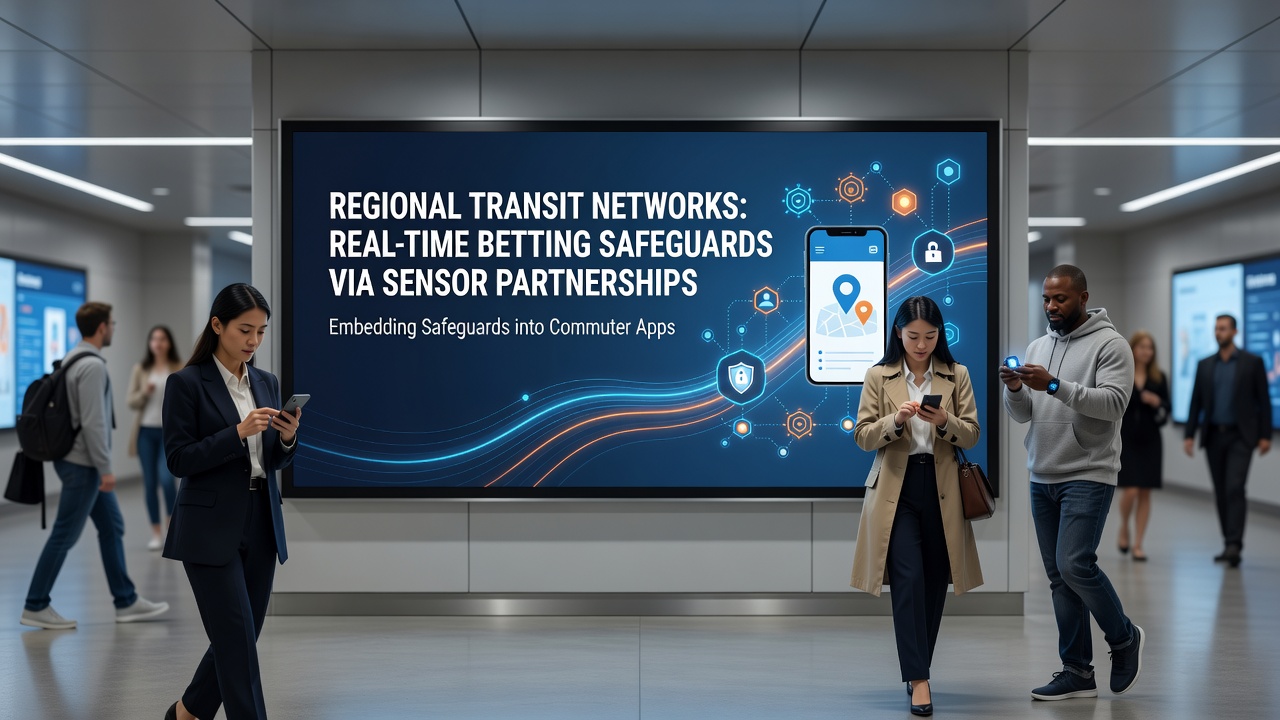
Regional transit authorities across multiple continents have begun linking onboard sensors with commuter mobile applications to enforce real-time betting safeguards, and these partnerships connect vehicle telemetry data directly to gaming platforms so that location, speed, and passenger density trigger automatic limits on wagering activity. Data from pilot programs shows that accelerometer readings combined with GPS coordinates allow apps to detect when users board trains or buses, at which point spending caps and session timers activate without manual input from the rider.
Sensor Integration Mechanics in Daily Operations
Transit operators equip vehicles with multi-axis sensors that feed continuous streams into centralized platforms, and these systems cross-reference movement patterns against predefined thresholds so that sudden stops or high passenger loads prompt the app to pause deposit functions or reduce maximum bet sizes. In October 2026 several North American networks expanded these links after initial tests demonstrated reduced impulse activity during peak hours, while European counterparts reported similar patterns through standardized API connections between transport management software and licensed gaming providers.
Partnerships typically involve transit agencies contracting with specialized sensor firms that supply both hardware and data protocols, and the resulting feeds integrate into existing commuter apps through secure middleware layers that comply with regional data protection rules. Observers note that this architecture avoids storing personal betting histories on transit servers, instead routing anonymized triggers back to the gaming operator's own compliance systems for enforcement.
Geographic Rollouts and Data Patterns
North American examples illustrate how agencies in densely populated corridors use door-cycle sensors to count boardings and correlate them with app activity, producing alerts that cap total wagers once a rider exceeds a set number of trips within a single day. Australian networks have adopted comparable approaches through national infrastructure programs, where light-rail vehicles transmit vibration data that activates cooling-off periods during extended commutes, according to reports from the Department of Infrastructure, Transport, Regional Development, Communications and the Arts.
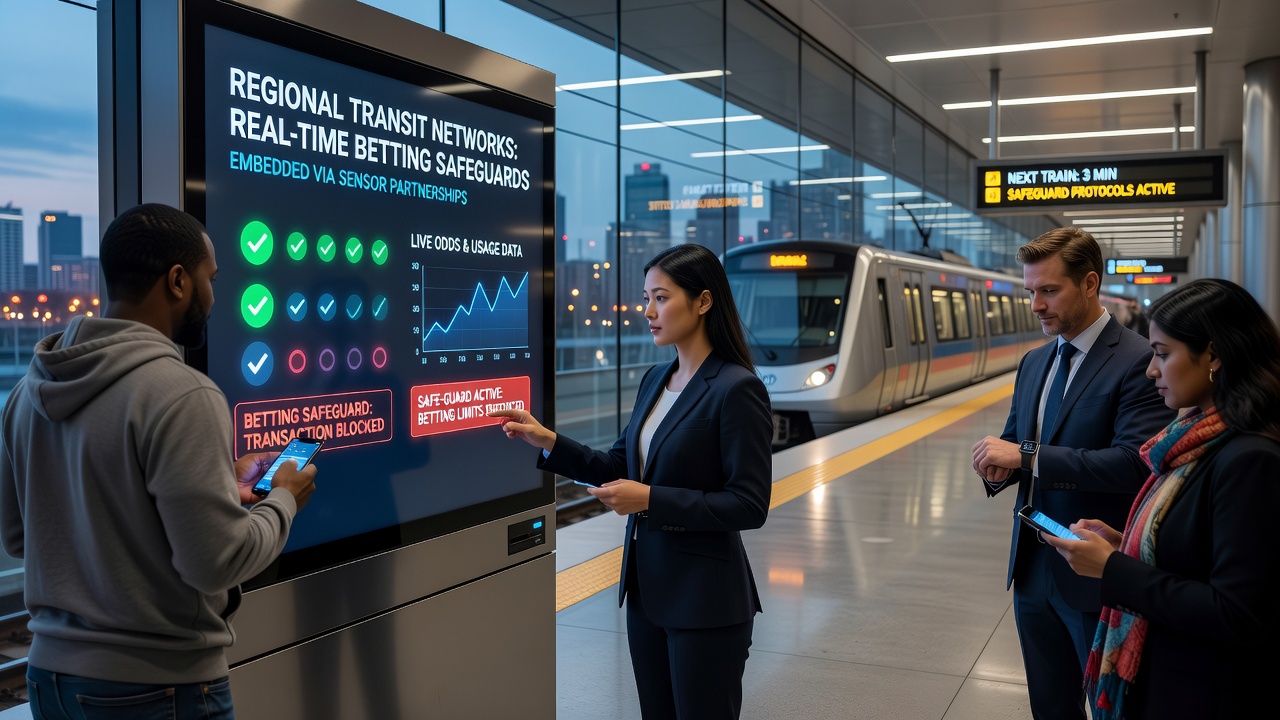
European implementations differ slightly by incorporating platform-edge cameras that feed occupancy estimates into the same safeguard engine, and these additions allow finer adjustments such as lowering stake limits when crowding exceeds eighty percent of capacity. Research from academic transport studies indicates that such layered inputs produce measurable drops in session duration for users who combine commuting with mobile gaming, although exact figures vary by jurisdiction and remain subject to ongoing collection through 2026.
Regulatory Alignment and Technical Standards
Compliance frameworks require that any data shared between transit sensors and betting platforms undergoes encryption and anonymization before leaving the vehicle network, and gaming regulators in participating regions have issued guidelines that mandate audit trails for every automated intervention. The Federal Transit Administration has documented early coordination efforts with state-level gaming oversight bodies to ensure that safeguards do not inadvertently collect or transmit prohibited categories of location information beyond what is necessary for enforcement.
Technical working groups continue to refine latency requirements so that sensor-triggered actions occur within two seconds of detection, preventing riders from placing bets during brief windows when connectivity fluctuates inside tunnels or underpasses. Industry reports highlight that these timing standards emerged from joint testing between sensor manufacturers and app developers, resulting in fallback protocols that default to conservative limits whenever real-time feeds drop below reliability thresholds.
Future Expansion Considerations
Additional cities have signaled interest in adopting similar sensor-to-app linkages once current pilots generate twelve months of performance metrics, and preliminary planning documents outline potential extensions to ferry and regional bus services that currently lack onboard telemetry. Those overseeing the projects emphasize that success depends on maintaining clear separation between transit operational data and individual gaming accounts, thereby preserving rider privacy while still delivering the intended protective functions.
Conclusion
Regional transit networks continue to develop sensor partnerships that embed betting safeguards directly into commuter applications, and the resulting systems rely on real-time telemetry to enforce location-aware limits across expanding geographic areas. Continued data collection through late 2026 will inform whether these integrations scale effectively while meeting both transport efficiency goals and regulatory expectations for responsible gaming features.