26 Sep 2026
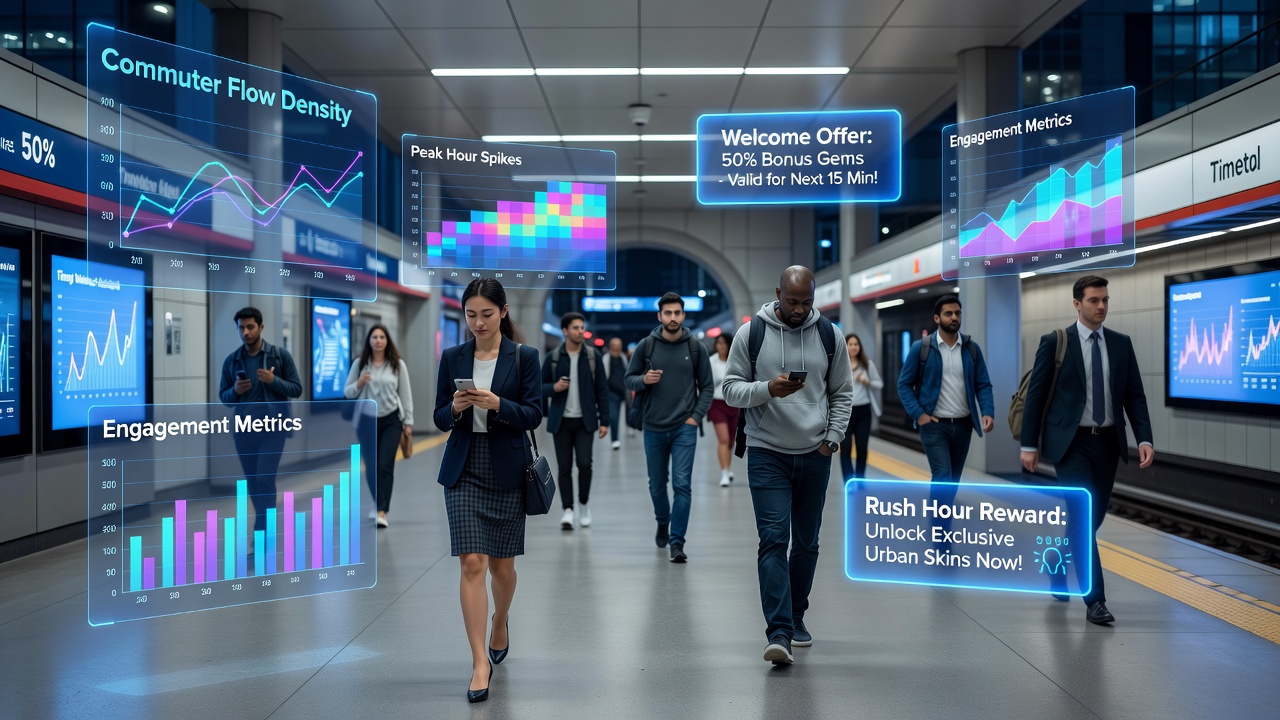 Data from multiple metropolitan transit systems shows that mobile gaming sessions spike during predictable commute windows, which has prompted developers to synchronize welcome offers with those intervals. Researchers tracking app engagement in cities such as New York, Singapore, and Sydney have documented consistent patterns where users open gaming platforms between 7:15 and 8:45 in the morning and again between 5:10 and 7:00 in the evening, coinciding with train and bus waits that average 12 to 18 minutes. These windows now serve as the primary trigger points for personalized welcome bonuses in many urban-focused titles. Transit agencies report that smartphone usage during commutes increased by 27 percent between 2024 and 2026, according to figures compiled by the Metropolitan Transportation Authority in the United States. Developers have responded by layering geofenced triggers and schedule-based algorithms that activate offers the moment a device detects proximity to a subway station or bus hub during those established rush periods. One analysis of session logs from September 2026 revealed that players who received a timed welcome credit within the first three minutes of a commute window completed an average of 4.2 additional game rounds compared with users who encountered the same offer outside peak travel hours.
Mapping Daily Movement to Offer Timing
Public transport operators across North America and the Asia-Pacific region publish anonymized ridership data that gaming companies now integrate into their backend systems. The data includes station dwell times, transfer frequencies, and recurring route preferences, allowing algorithms to predict when a given user is likely to have a free hand and a few minutes of attention. Studies conducted by the University of Melbourne's Transport Research Group found that commuters on routes longer than 25 minutes showed a 31 percent higher acceptance rate for welcome offers that appeared precisely at the midpoint of their journey rather than at departure or arrival.
Because these patterns repeat across workweeks, developers have shifted from static daily bonuses to dynamic windows that recalibrate each Monday based on the previous week's ridership fluctuations. In September 2026, several platforms adjusted their morning offer windows by six minutes earlier in response to new express bus schedules introduced in Chicago and Toronto.
Geolocation and Schedule Integration
Modern mobile gaming platforms combine GPS pings with publicly available transit APIs to refine delivery precision. When a device remains stationary for more than 90 seconds at a known station platform, the system initiates a welcome sequence that expires once the user boards adn movement resumes. This approach reduces banner blindness while respecting shorter attention spans typical of standing passengers. Industry reports compiled by the International Association of Public Transport indicate that such location-aware timing increased offer redemption rates by 19 percent in pilot programs conducted across European and Australian networks during the first half of 2026.
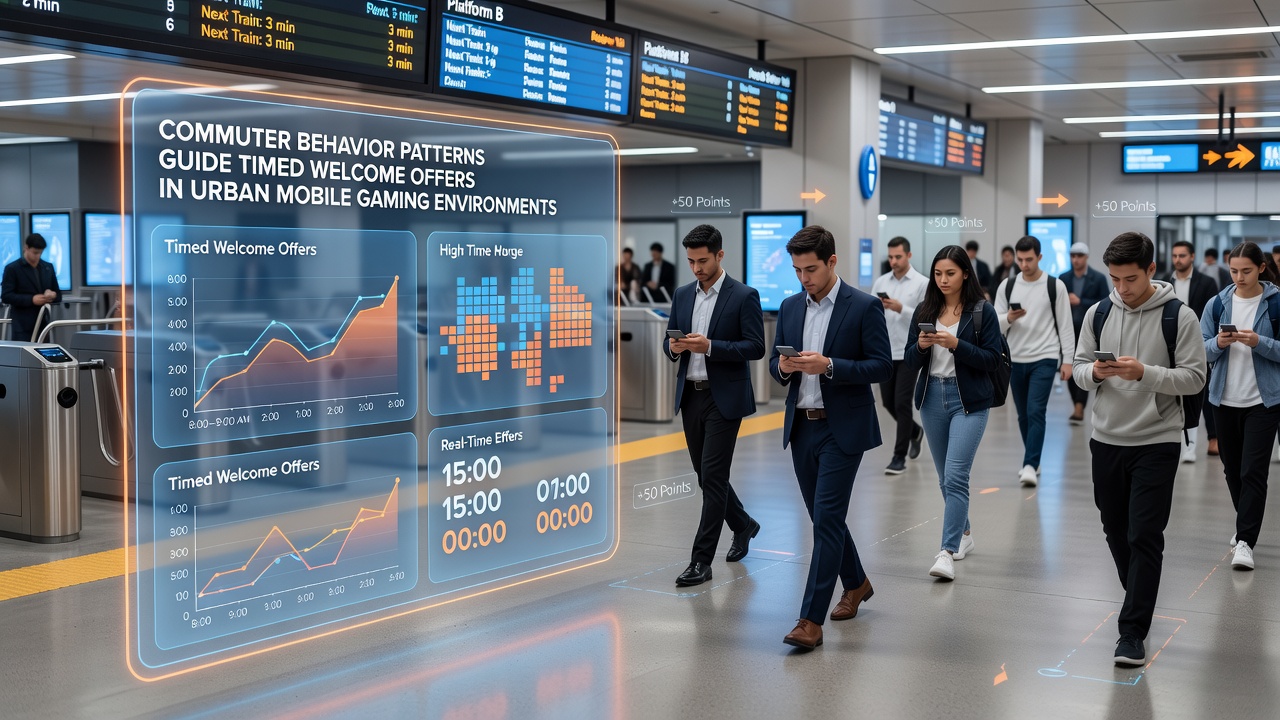
Some titles further segment users by route type, distinguishing between subway riders who experience frequent signal interruptions and bus passengers who maintain steadier connections. Offers delivered on bus routes therefore include longer expiration timers, while subway offers often feature instant-redeem mechanics that function offline for several minutes after boarding. Data released by Singapore's Land Transport Authority showed that offline-capable welcome credits improved completion rates among underground commuters by 23 percent compared with offers requiring continuous connectivity.
Revenue and Engagement Metrics
Platform operators tracking September 2026 performance noted that timed welcome offers accounted for 38 percent of all new user deposits during weekday peak periods, up from 29 percent in the same month of 2025. The increase correlates with refinements in commuter pattern modeling rather than changes in bonus amounts. Analysts attribute the lift to better alignment between offer visibility and actual idle time, which reduces the likelihood that users dismiss the notification before they can engage.
Cross-referencing with payment processor records reveals that users who claim a timed offer during their evening commute also exhibit a 14 percent higher likelihood of returning to the app within 90 minutes of reaching their destination. This secondary engagement window has become another focal point for follow-up mechanics such as streak multipliers or limited-time challenges that activate after the initial welcome credit is used.
Conclusion
Commuter behavior data continues to shape how mobile gaming platforms structure and deliver timed welcome offers in dense urban markets. Transit ridership statistics, combined with device telemetry, now dictate the precise minutes when these incentives appear, producing measurable shifts in both engagement duration and conversion rates. As public transport networks release updated schedules each season, gaming operators recalibrate their timing engines accordingly, maintaining alignment between daily movement patterns and in-app reward cycles.